




UNDERSTANDING ALOPECIA
WHAT SHOULD I EAT IF MY HAIR FALLS OUT?
Sea
Hair loss is a common concern among men of different ages, especially when it begins to manifest itself continuously and without apparent cause. While there are many factors involved, from genetic to hormonal, one of the most underestimated is diet.
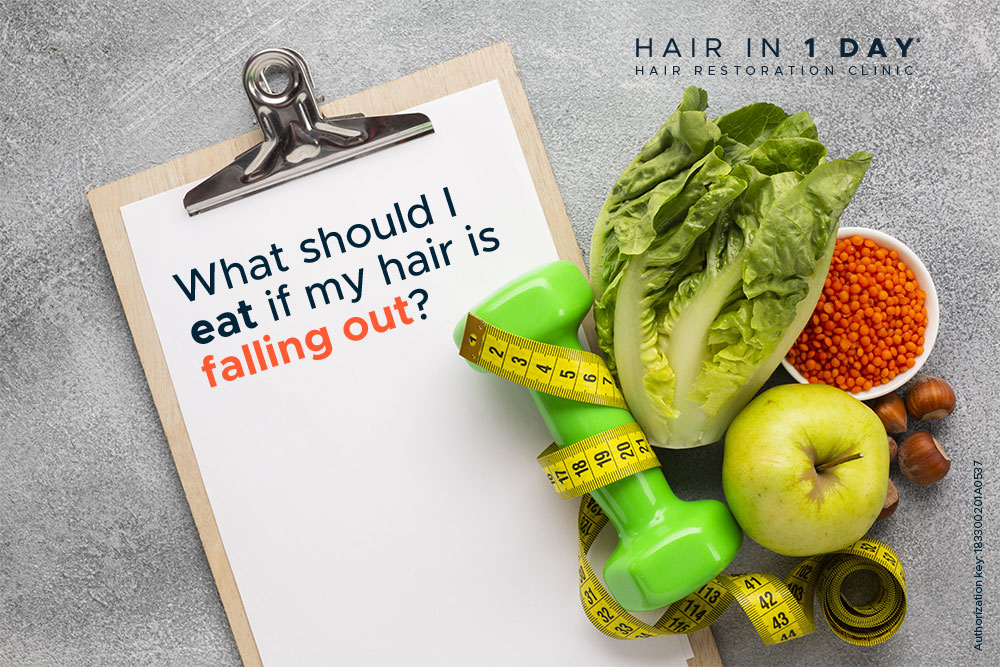
So, what should I eat if my hair is falling out? In this article we'll explain how diet influences hair health, which nutrients are key to strengthening your hair and when it's time to seek a professional hair assessment to stop hair loss.
THE RELATIONSHIP BETWEEN NUTRITION AND HAIR HEALTH
Hair is a tissue that requires constant nourishment. When the body does not get enough vitamins, minerals or proteins, it tends to prioritize vital functions and neglects those considered "secondary", such as hair growth.
That's why a poor diet can be reflected in weak, brittle hair that is more prone to fall out. In fact, in our article on Vitamins for stress-related hair lossWe have already discussed how nutritional deficits are aggravated by emotional stress, directly affecting the health of the scalp.
KEY NUTRIENTS TO STRENGTHEN HAIR
Here are the main nutrients that should be part of your daily diet if you are looking to prevent or reduce hair loss:
● Proteins: Hair is composed primarily of keratin, a protein. It includes sources such as chicken, fish, eggs, lentils and tofu.
● Iron: One of the most common causes of hair loss is iron deficiency anemia. Eat spinach, lean meat, legumes and whole grains.
● Zinc: Contributes to hair growth and tissue repair. Zinc is found in pumpkin seeds, nuts, seafood and red meat.
● Biotin: The "hair vitamin" strengthens the hair strand. Present in eggs, almonds, banana and avocado.
● Vitamin A and E: They improve sebum production in the scalp, keeping it hydrated. You can get them from carrots, sweet potato, spinach and vegetable oils.
● Omega 3: It brings shine and health to your mane. Include it with salmon, chia and walnuts.
RECOMMENDED FOODS IF YOUR HAIR IS FALLING OUT
In addition to focusing on the nutrients mentioned above, it is helpful to identify whole foods that combine several benefits in a single serving. Some recommended by hair health specialists are:
● Whole eggs: Complete source of protein and biotin.
● Spinach: Rich in iron, folate and vitamin A.
● Salmon or tuna: Full of Omega 3 and proteins.
● Chia or flaxseed: Easy to add to smoothies or yogurt.
● Fruits such as blueberries and orange: Natural antioxidants that improve blood circulation in the scalp.
WHEN TO CONSULT A SPECIALIST
While a balanced diet can make a difference, there are times when hair loss persists despite nutritional efforts. This may be due to alopecia of hormonal or genetic origin or related to the chronic stress.
In such cases, a professional hair assessment is essential. Through a complete diagnosis, it is possible to determine if you are a candidate for specialized solutions such as hair transplant.
COMPLEMENTARY HABITS
In addition to improving your diet, we recommend:
● Reduce consumption of sugars and processed foods.
● Hydrate adequately every day.
● Avoid smoking and excess alcohol.
● Sleep at least 7 hours per night.
● Use mild, sulfate-free hair products.
Good nutrition is only one piece of the puzzle. The key is to take a holistic approach to combating hair loss.
CONCLUSION
Answering the question "What should I eat if my hair is falling out" involves looking beyond the plate. A diet rich in protein, vitamins and minerals is essential, but so is paying attention to your body, your stress levels and seeing specialists if you notice excessive or persistent hair loss.
Do you notice that your hair is thinning or falling out more than usual?
Schedule a free assessment with the experts at Hair In 1 Day and receive a personalized guide to take care of your hair health from the inside and out.

 Español
 English