




UNDERSTANDING ALOPECIA
IS ALOPECIA AND BALDNESS THE SAME THING?
Dec
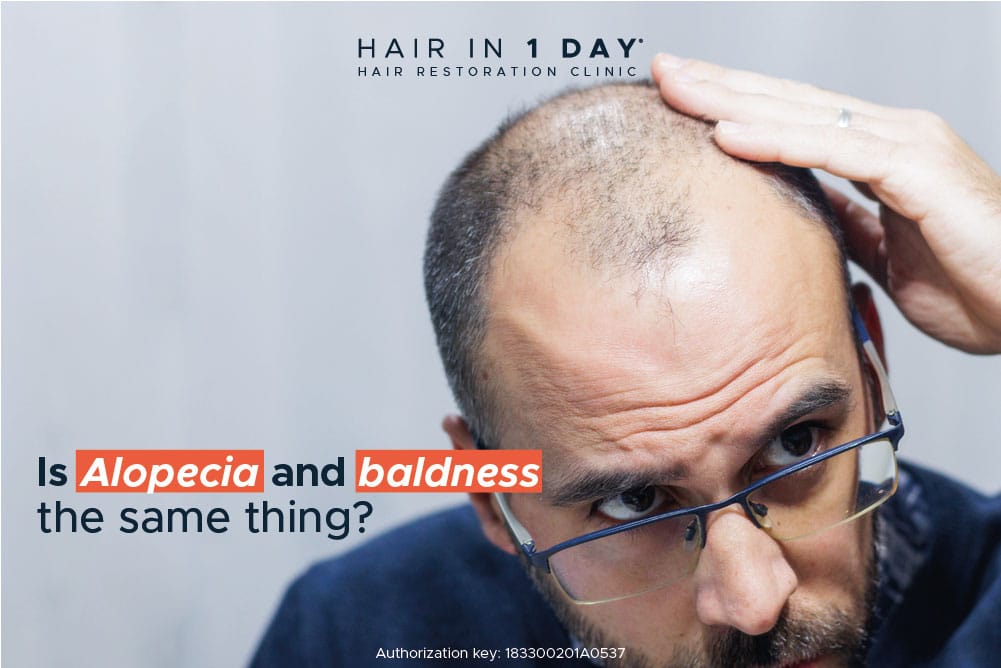
Hair loss is a common concern that affects millions of people around the world. However, questions often arise such as: Are alopecia and baldness the same thing? Although at first glance they might seem synonymous, these two conditions have key differences. In this article, we will explore how they differ, the causes behind each and the best solutions available.
WHAT IS ALOPECIA?
Alopecia is a general medical term used to describe any type of hair loss, regardless of the cause. There are different types of alopecia, each with its own particular characteristics:
Androgenetic Alopecia: Also known as male or female pattern baldness, it is the most common form of hair loss. It is related to genetic and hormonal factors.
Alopecia Areata: An autoimmune condition in which the immune system attacks the hair follicles, causing patchy hair loss.
Cicatricial Alopecia: This type of alopecia results in permanent damage to the hair follicles due to chronic inflammation or scarring.
Telogen Effluvium: Temporary hair loss caused by physical or emotional stress, hormonal changes or nutritional deficiencies.
For more information on how stress can affect hair loss, see our article Vitamins for stress hair loss: Do they really work?.
WHAT IS BALDNESS?
Baldness, on the other hand, refers specifically to progressive and permanent hair loss, generally associated with androgenetic alopecia. In men, it is characterized by receding hairline and loss of density at the crown of the head. In women, it usually manifests as a general thinning of the hair.
Although baldness is a type of alopecia, not all forms of alopecia lead to permanent baldness. For example, telogen effluvium and alopecia areata can be temporary conditions if properly treated.
MAIN CAUSES OF ALOPECIA AND BALDNESS
The causes of hair loss may vary depending on whether it is general alopecia or specific baldness:
Genetic factors: Both androgenetic alopecia and baldness are influenced by genetics. If you have a family history of baldness, you are more likely to develop this condition.
Hormonal Imbalances: Dihydrotestosterone (DHT) is a hormone that plays a crucial role in androgenetic alopecia, contributing to hair thinning and hair loss.
Stress and Lifestyle: Physical and emotional stress, poor diet and certain medications can trigger temporary forms of alopecia.
Autoimmune Conditions: In the case of alopecia areata, the immune system attacks the hair follicles.
To know more about the causes of hair loss, we invite you to read our article What causes hair loss?where we explore this topic in depth.
HOW TO TREAT ALOPECIA AND BALDNESS?
Treatment for alopecia and baldness depends on the type and underlying cause. Below, we highlight some of the most effective options:
Medical TreatmentsMinoxidil and finasteride are common options for treating androgenetic alopecia. These medications can slow hair loss and, in some cases, stimulate hair growth.
Advanced Therapies: Growth factor therapy may be useful to stimulate hair growth in cases of non-scarring alopecia.
Hair Transplant: For those who are looking for a definitive solution, hair transplant is the best option. At Hair In 1 Day, we use the advanced H1D XTRA CARE technique, which guarantees natural and long-lasting results. If you want to see real examples, see our article Hair Graft Before and After: Extraordinary Cases.
Lifestyle Changes: A balanced diet and stress management can help prevent temporary hair loss and improve overall hair health.
ARE YOU A CANDIDATE FOR A HAIR TRANSPLANT?
If you suffer from baldness or androgenetic alopecia and are considering a hair transplant, it is important to have a professional assessment. At Hair In 1 Day, we offer a free assessment where we evaluate the condition of your hair and scalp to determine the most appropriate treatment.
CONCLUSION
Although alopecia and baldness are related, they are not the same. Understanding these differences can help you make informed decisions about how to treat hair loss. If you're looking for an effective, long-lasting solution, schedule a free assessment at Hair In 1 Day today. Fill out the form and find out how we can help you regain your hair and confidence.

 Español
 English